Habits shape our lives in profound ways, influencing our well-being, productivity, and overall happiness. Understanding the mechanics of habits can empower us to build positive routines and break free from detrimental patterns. In this comprehensive guide, we delve into the science of habits, exploring the habit loop, the golden rule, strategies of habit change, and the power of habits in successful organizations.
The Habit Loop: How Habits Work
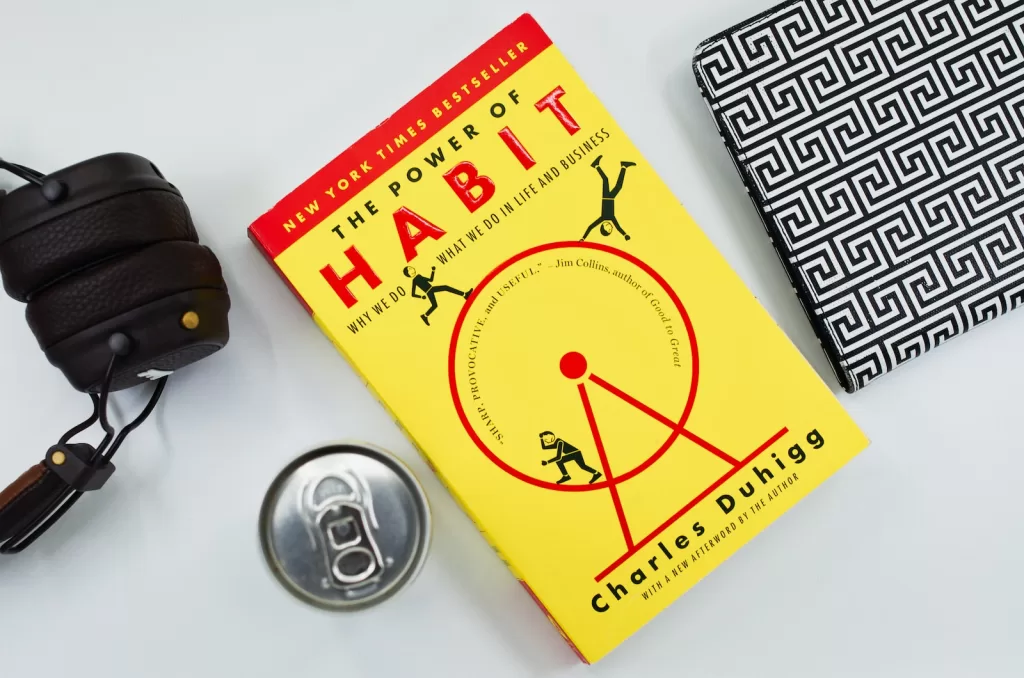
At the core of every good habit, lies the habit loop, a neurological pattern that governs the way habits form and perpetuate. Renowned author Charles Duhigg, in his groundbreaking book “The Power of Habit,” defines this loop as comprising three components: the cue, the routine, and the reward. Unraveling the intricacies of the habit loop equips us with the knowledge to transform our own habits consciously.
Understanding habits is not only about personal development; it extends to organizational success. Research has shown that worker safety and productivity in the workplace are closely tied to habits. By fostering positive habits, organizations can create a culture of safety and achieve more efficiency.
The Craving Brain: How to Create New Habits
Creating new habits involves tapping into the craving brain. James Clear, author of “Atomic Habits,” emphasizes the role of craving in habit formation. Identifying and understanding the cravings that drive our habits enables us to replace old, unhealthy patterns with new, constructive ones. As we embrace identity-based habits, the process of habit formation becomes not just a routine but an integral part of who we are.
Mindfulness meditation emerges as a powerful tool in creating new habits to reduce stress further. The practice of mindfulness, as advocated by Jon Kabat-Zinn in his pioneering work on Mindfulness-Based Stress Reduction (MBSR), enhances our ability to stay present in the moment. By practicing mindfulness, we can gain a deeper understanding of our cravings and make intentional choices that align with our values.
The Golden Rule of Habit Change: Why Transformation Occurs

Transformation occurs when we master the golden rule of habit change: understanding that habits cannot be eradicated but can be replaced. Shifting from a bad habit to a good one involves identifying the cues and rewards of the existing habit and then introducing a new routine that aligns with our desired behavior. As we consciously apply this golden rule, we begin to unlock the potential to reshape our lives.
Mindfulness Is About More Than Just Stress Reduction
Mindfulness, often associated with stress reduction, extends its benefits to various facets of life. It is a holistic practice that fosters emotional well-being, enhances decision-making, and cultivates a heightened awareness of our surroundings. Beyond stress reduction, mindfulness empowers us to live in the present moment, breaking free from automatic modes of living.
Keystone Habits: Which Habits Matter Most
Identifying keystone habits is a pivotal step in our journey to positive change. These are the habits that have a cascading effect, influencing other areas of our lives. By targeting and establishing keystone habits, we can break bad habits and initiate a domino effect, transforming not just one aspect of our routine but our entire way of living.
Transformative Change: Replacing Bad Habits with Healthier Alternatives
Breaking free from deeply ingrained habits such as smoking or compulsive shopping habits is a transformative journey that requires conscious effort and commitment. Focus on identifying triggers and cravings that fuel these behaviors is the first step. When you are trying to quit smoking, instead of succumbing to the allure of a cigarette or the temporary pleasure of impulsive purchases, individuals can redirect their focus towards positive habits. Pay attention to bad buying habits and interrupt the pattern. Engaging in mindfulness practices, such as meditation or deep breathing exercises, provides a constructive outlet for managing stress and cultivating self-awareness.
Regular Exercise Routine
Adopting a regular exercise routine not only promotes physical well-being but also serves as a powerful distraction from destructive habits. Additionally, channeling energy into creative pursuits, hobbies, or volunteering can create a sense of purpose and fulfillment, gradually replacing the void left by unhealthy habits. The key lies in consciously choosing habits that align with personal values and contribute to overall well-being, paving the way for a healthier and more fulfilling lifestyle.
The Power of Habit in Successful Organizations
In successful organizations, habits play a crucial role in shaping the workplace culture. From worker safety to productivity, habits contribute to the overall efficiency of an organization. Implementing positive habits in the workplace requires a collective effort, emphasizing the importance of individual habits in achieving collective success.
5-Minute Breathing Meditation
Practicing mindfulness doesn’t always require a significant time commitment. A simple 5-minute breathing meditation can serve as a powerful tool to anchor ourselves in the present moment. As we focus on our breath, we create a space for awareness, reducing stress and anxiety and promoting a sense of calm.

Mindfulness Helps Define Habits and Break Bad Ones
Mindfulness is a key ally in our quest to define our habits and break free from destructive patterns. By paying attention to our emotional states, automatic modes of behavior, and decision-making processes, we gain insights into old habits that empower us to make intentional choices aligned with our values.
Next Steps
As we embark on the journey of habit transformation, it’s crucial to take actionable steps. Whether it’s practicing mindfulness, adopting new routines, or consciously replacing bad habits with good ones, the next steps determine our success in building a life defined by positive habits.
What Are the Benefits of Meditation?
The benefits of meditation extend beyond stress reduction. Scientific research has shown that meditation positively impacts our physical health, mental well-being, and emotional resilience. From improved focus to enhanced emotional regulation, meditation emerges as a versatile practice with far-reaching benefits.
An 11-Minute Awareness of Breath Meditation
For those seeking a slightly longer meditation practice, an 11-minute awareness of breath meditation provides an opportunity for a deeper connection with our body in the present moment. By focusing on the breath for an extended period, we cultivate a heightened sense of awareness and concentration.
Breathing Compassion In and Out
Mindful practices, such as the breathing compassion meditation, foster a sense of connection and empathy. As we breathe in compassion for ourselves and exhale compassion for others, we contribute to creating a positive and supportive environment around us.

How Movements Happen
Shifting gears, we explore several examples of how habits contribute to the formation of social movements. From consumer habits to lifestyle choices, social movements often start with individual habits. Understanding the dynamics of habits in the context of larger societal changes provides valuable insights into how movements gain momentum.
A Guided Meditation for Sleep
In our fast-paced lives, quality sleep is often elusive. A guided meditation for sleep offers a tranquil path to relaxation, helping us unwind and prepare our minds, emotions and bodies for restful sleep. Incorporating mindfulness into our bedtime routine can significantly improve the quality of our sleep.
Mindful Practices for Every Day
Making mindfulness a part of our daily lives requires incorporating mindful practices into our routine. From mindful eating practice mindfulness, to mindful walking, integrating these practices into our day-to-day activities cultivates a consistent state of awareness and presence.
A Mindfulness Practice for Kids: Coming Back to the Positive
Instilling mindfulness in the younger generation is a gift that shapes their emotional state and future well-being. A mindfulness practice for kids, centered around coming back to the positive, provides children with tools to navigate the challenges of growing up with resilience and a positive mindset.
A 5-minute Gratitude Practice: Savor Through the Senses
Practicing gratitude is a habit that transforms our perspective on life. A simple 5-minute gratitude practice, where we savor the positive aspects of the world and our lives through the senses, reinforces a mindset of appreciation and contentment.

The Impact of Habits on Overall Well-Being
Numerous studies have highlighted the profound impact of both habits and mindfulness on our overall well-being. For instance, research suggests that engaging in healthy habits such as regular exercise and nutritious eating can lead to improved physical health outcomes like reduced risk of chronic diseases and increased energy levels.

Furthermore, studies examining mindfulness-based interventions demonstrate their effectiveness in reducing stress levels, improving emotional well-being, enhancing cognitive function, and even boosting immune system functioning. These findings provide strong evidence for the interconnectedness between habits, mindfulness, and our overall quality of life.
Understanding the science behind habit formation and mindfulness not only helps us comprehend how these practices shape our behavior and brain but also empowers us to embark on a journey of positive change. By harnessing neuroplasticity through mindfulness, we can rewire our brains, develop healthier habits, and ultimately enhance our well-being in profound ways.
Conclusion
In conclusion, the journey of building good habits and breaking bad ones is a dynamic process that involves understanding the intricacies of the habit loop, leveraging mindfulness practices, and embracing the transformative power of keystone habits. By applying these insights and taking intentional steps, we can shape a life defined by positive habits and well-being. As we embark on this journey, let us breathe, be aware, and embrace the potential for positive change that lies within our habits.
Author

Yoga Instructor & Lifestyle Coach
Founder of Ready Steady Life, Mandy promotes wellness and holistic living through insights drawn from her experiences as a yoga instructor, lifestyle coach, and business owner. Her articles cover topics from healthy recipes to manifesting abundance, inspiring readers to prioritize well-being.